



The Trump administration has significantly increased tariffs on imported steel and aluminum under Section 232 of the Trade Expansion Act of 1962. This move is part of the administration’s “America First” trade policy aimed at strengthening domestic industries and reducing reliance on foreign imports. It includes new categories of previously exempt products under the USMCA agreement.
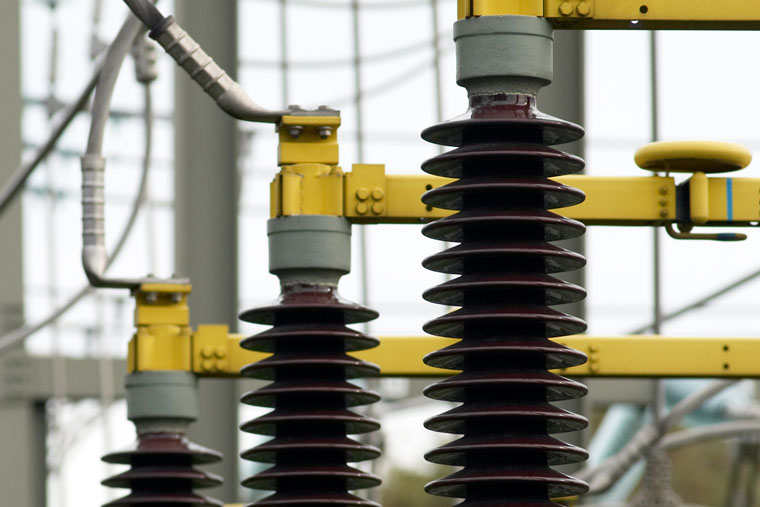
Specifically of note to NAED members, transformers containing non-U.S. steel and aluminum components will incur a 50 percent tariff, calculated on the value of those components.
The tariffs took effect on August 18, 2025.
According to the U.S. Department of Energy (DOE), distribution transformers now take more than 30 months to produce. These lead times are compounded by a significant increase in energy demand driven by data centers, artificial intelligence, and the electrification of the economy.
Currently, only 20% of transformer demand is met by domestic supply due to rising material costs, labor shortages, and limited U.S. production capacity— particularly for grain-oriented electrical steel (GOES).
“The change impacts dry type transformers and control transformers except for power quality products, including Active Harmonic filters,” said Ted Simpson, Vice President of Marketing at HPS. “The effects of the tariffs will vary by product line depending on the aluminum and steel content.”
When asked how these new rules would affect HPS, Simpson noted: “The updated trade policies have clearly added complexity and cost. While we’ve developed a solid understanding of the new measures, we’re still progressing along the learning curve. We’re confident in our ability to adapt quickly. Supporting our customers through this transition remains a top priority, and we’re committed to working closely with them to minimize disruption to our shared business.”
According to sources such as the Wall Street Journal and the Federal Register, the tariffs have been expanded to include a wider range of finished goods containing steel and aluminum, including items like knives, electrical transformers, certain automobile parts, and household appliances. This expansion affects a significant volume of imported goods, estimated to be around $328 billion worth. New requirements include that importers of steel and aluminum are now subject to “melt and pour” requirements for steel and “smelt and cast” requirements for aluminum, ensuring that a significant portion of the production process occurs in the U.S. or allied countries.
Supporters argue the tariffs are necessary to protect American steel and aluminum manufacturers from unfair foreign competition and global overcapacity, particularly from China.
Critics warn of potential price increases and shortages of certain goods due to higher import costs and a potential inability of domestic suppliers to meet demand.
Background:
In April of 2025, NAED joined a coalition of electrical manufacturers, contractors, builders, and utilities led by the National Electrical Manufacturers Association (NEMA) to oppose applying Section 232 tariffs (tariff authority granted under the Trade Expansion Act of 1962 that allows the President to adjust imports of certain goods if they threaten to impair national security) to transformers and their components.
The coalition’s letter to the Department of Commerce called on the agency to waive Section 232 tariffs on these products, which would undermine national objectives across energy, manufacturing, and innovation.
Specifically, delays in transformer procurement could hinder infrastructure projects, increase energy costs, and jeopardize the expansion of semiconductor plants, data centers, and greenfield manufacturing. Tariffs would disproportionately impact rural areas, harm grid resilience, and slow down deployment of new power generation and modernization efforts, all of which are critical to the Trump Administration’s infrastructure and national security goals.
The coalition also stressed that transformer cores and laminations are complex, precision-engineered components and that the U.S. currently lacks sufficient domestic GOES (grain-oriented electrical steel) production to meet demand. Mexico and Canada, key USMCA partners, play a vital role in supplying these products, and past agreements have avoided tariff imposition due to their importance.
Instead of tariffs, the letter called for federal incentives to expand domestic transformer production, including legislation like the CIRCUIT Act, which would provide tax credits to support manufacturing capacity.
NEMA launched the Make It American program in April 2025 to help companies demonstrate that their manufacturing processes, facilities, and supply chain management systems have undergone rigorous third-party expert audits to meet Build America, Buy America Act (BABA) domestic content requirements – providing greater certainty and confidence to manufacturers, government agencies, and procurement officials seeking to source materials with enhanced levels of U.S.-manufactured content.
Tagged with Biggest News, tariffs